Why “Transit Time” Is Not Just Flight Time
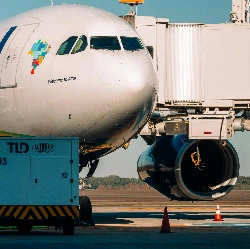
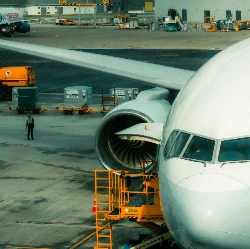
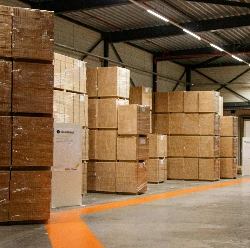
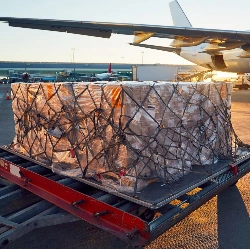
Most consignments move through Sydney Airport (SYD) and Perth Airport (PER) under strict receival and processing timelines. Your shipment typically passes through several steps: pickup (or drop-off), receival at the terminal, security screening, build-up to a Unit Load Device (ULD) or pallet, uplift on a scheduled flight, breakdown at Perth, and final delivery.
That chain has multiple time gates. Miss one cutoff—like late lodgement at the cargo terminal—and the shipment can roll to the next uplift, even if there are flights available. The best planning starts by mapping the handover time to the airport, not the departure time on a timetable.
What “Realistic” Looks Like for Sydney to Perth Air Freight
For most domestic air freight, realistic outcomes usually fall into these planning buckets:
Same-Day Uplift, Next-Business-Day Delivery (Common Goal)
If the freight is lodged early enough to meet receival and screening requirements, it can uplift the same day and move into Perth for delivery the next business day. This is often the baseline expectation for urgent business shipments—spare parts, medical supplies, high-value components, or time-sensitive stock.
Same-Day Uplift, Same-Day Delivery (Possible, Not Guaranteed)
Same-day delivery in Perth is achievable in specific scenarios, usually when the freight is handed over early, the uplift is early, and last-mile delivery can happen without friction. It becomes less realistic when delivery requires timed booking slots, site induction, limited receiving hours, or after-hours restrictions.
Next-Day Uplift, Next-Next Delivery (Most Common “Delay” Pattern)
Many “why is it late?” situations come from missing the receival cutoff or failing screening due to packaging, labels, or restricted items. The freight isn’t necessarily stuck—it’s simply rolled to the next available uplift.
Practical takeaway: plan around handover time, not the advertised flight time. In domestic freight, your odds improve dramatically when the shipment is ready early and presented correctly.
The Main Time Gates That Decide the Outcome
Even with priority services, the timeline is mostly controlled by a few repeatable checkpoints:
1) Pickup Window in Sydney
If a driver arrives and the freight is not packed, labelled, or accessible, the pickup slips. That can cascade into a missed terminal receival window. Warehouses with loading docks, forklift requirements, or security check-ins need extra buffer.
2) Lodgement and Receival at the Cargo Terminal
Air freight isn’t “on the plane” when it arrives at the airport. It must be received, checked, and accepted. Late receival is one of the most common reasons shipments roll to the next uplift.
3) Security Screening and Compliance Checks
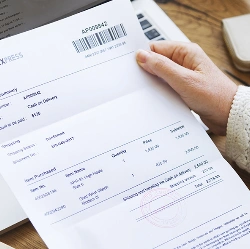
Screening can take longer when cartons are poorly packed, irregularly shaped, or contain items that trigger additional checks. Undeclared batteries, aerosols, chemicals, or pressurised items can cause holds or rejection.
4) Build-Up, Uplift, and Aircraft Space
Even with scheduled flights, space can be constrained during peak periods. Higher service levels generally receive better uplift priority, but the shipment still needs to be receipted and cleared in time to make the build-up process.
5) Breakdown, Receival, and Delivery in Perth
Once the freight lands, it must be broken down and made available for collection or last-mile delivery. Delivery windows, receiver availability, and access restrictions in Perth can be the hidden variable that turns “arrived today” into “delivered tomorrow.”
Common Reasons Sydney to Perth Air Freight Runs Late
Most delays come from predictable issues that can be managed before booking:
- Missed cutoffs: freight lodged too late for receival or screening.
- Incorrect weights or dimensions: reweigh or remeasure events can slow processing and change pricing.
- Packaging failures: weak cartons, poor sealing, inadequate cushioning, or unstable pallets.
- Label issues: missing consignee details, mismatched piece counts, unclear handling notes.
- Restricted items: batteries, aerosols, chemicals, medical oxygen accessories, perfumes, flammables, or undeclared DG triggers.
- Receiver constraints: limited receiving hours, appointment-only docks, site access rules, or after-hours restrictions.
If you want better reliability, focus on the controllables: early handover, accurate dimensions, compliant packing, and clean shipment details.
How to Plan Backwards From a Deadline
For time-sensitive freight, planning backwards is the simplest method that actually works. Start with the required delivery time in Perth, then build a buffer for airport processing and last-mile delivery.
As a rule of thumb, the earlier you hand freight over in Sydney, the more uplift options remain open. This matters for urgent parts, critical inventory, or medical shipments where an extra day can trigger lost revenue or operational downtime.
A Simple Planning Framework
Use this sequence when you’re deciding which service level to buy and how much buffer you need:
- Delivery constraint in Perth: business hours, dock booking, site access, or time slot.
- Last-mile availability: whether delivery can occur same day or must wait.
- Arrival readiness: does the receiver need notice, paperwork, or ID release?
- Uplift target: which flight window gives a realistic outcome.
- Sydney handover: the latest safe time to lodge after accounting for screening.
This is where many shippers under-estimate risk: they plan for the flight, not the processing around it.
Service Level vs Speed: What Changes, What Doesn’t
Express and priority options can improve your chances of making an earlier uplift and receiving faster handling. But service level can’t “undo” a late handover. If the freight misses receival or screening cutoffs, even premium services may roll.
If you’re deciding between express, priority, and standard, compare them based on:
- How strict your Perth delivery deadline is
- How early you can realistically lodge in Sydney
- Whether the freight has restricted contents or special handling needs
- Peak periods, public holidays, and weekend effects on delivery capacity
Commercial Reality: Getting a Quote That Matches the Timeline
If you’re requesting a quote for Air Freight Sydney to Perth, you’ll get more accurate pricing and timing when you provide the details that matter operationally:
- Pickup suburb in Sydney and delivery suburb in Perth
- Total weight and carton dimensions (or pallet footprint and height)
- Piece count and whether it can be stacked
- Deadline and whether delivery must be timed
- Contents (especially batteries, aerosols, liquids, chemicals, or medical items)
- Any site access requirements (dock bookings, forklift, after-hours limits)
These details reduce “quote drift” later caused by remeasurements, special handling, or delivery constraints discovered after pickup.
Bottom Line: The Most Realistic Way to Ship Sydney to Perth by Air
If you want dependable timing, treat the shipment like a timed handover process. Build buffer around pickup and terminal receival, pack to survive handling, declare restricted items correctly, and align last-mile delivery in Perth with the receiver’s real constraints.
Air Freight Sydney to Perth can be extremely fast when the basics are done right. The goal isn’t perfection—it’s eliminating the avoidable errors that cause most rollovers and cost surprises.