What “Rejected at Lodgement” Usually Means
Lodgement is the point where freight is handed over and accepted into the air freight network. Acceptance is not automatic. Staff will check whether the shipment can be handled safely, screened efficiently, and transported without damaging other freight.
Rejection can happen for one simple reason: the shipment is not safe to move as presented. This can mean weak cartons, leaking contents, unstable pallets, missing labels, or packaging that makes screening difficult. Rejection is often followed by time loss, repacking, rebooking, and additional fees.
The Core Standard: Safe, Stable, and Screenable
Most packaging rules collapse into three practical requirements:
- Safe: no sharp edges, leaks, exposed contents, or collapse risk
- Stable: the load can be moved by hand, trolley, or forklift without shifting
- Screenable: packaging allows security screening without confusion or repeated handling
If your shipment fails one of these, it’s at risk of being held back.
Carton Standards: The Most Common Failure Points
1) Weak or Damaged Cartons
Soft, thin, reused, or water-damaged cartons are a common rejection trigger. Air freight handling involves conveyor movement, stacking, vibration, and transfers at terminals. If a carton flexes under light pressure, it’s not ready for air transport.
Practical rule: use strong, clean, double-wall cartons for most commercial freight, especially for long-edge cartons or heavier loads.
2) Poor Sealing
Single-strip tape across the top seam is a classic failure. Cartons can split under lift points or vibration. Use a full “H-tape” seal method on top and bottom seams, and reinforce heavy cartons with additional strapping if required.
3) Empty Space and Loose Void Fill
Oversized cartons packed with loose void fill shift during handling. Shifting creates crush points, breaks fragile items, and changes the carton shape. This can also slow screening because the contents look inconsistent.
Use structured cushioning (foam, molded inserts, bubble wrap layers) and fill voids firmly so contents do not move.
4) Overweight Cartons Without Reinforcement
Heavy cartons without internal bracing are prone to base failure. If a carton can’t be lifted safely or risks tearing, it may be rejected. For heavy items, consider multiple cartons, a wooden crate, or palletisation.
Fragile Freight: What “Good” Looks Like
Fragile shipping is less about a “FRAGILE” label and more about structural protection. Lodgement teams look for packaging that can survive normal stacking and vibration.
Better outcomes usually come from:
- Double boxing for delicate items (inner box suspended with cushioning inside an outer carton)
- Corner protection for equipment cases and sharp edges
- Compression resistance so cartons don’t collapse when stacked
- Clear orientation handling (This Side Up) when it matters, with internal packing that still protects if flipped
If the item is high-value or sensitive (electronics, instruments, medical equipment), consider a foam-lined case or crate that locks the item in place.
Pallet Standards: Stable Loads Move Faster
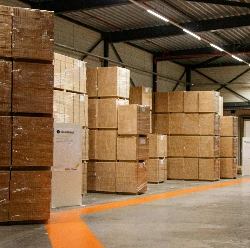
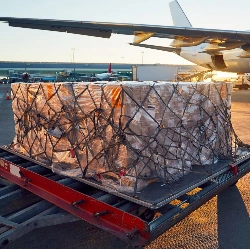
Pallet freight can improve handling and reduce carton damage, but only if the pallet is built correctly. The fastest way to create trouble is an unstable pallet with overhang, uneven stacking, or weak wrap.
Common Pallet Rejection Triggers
- Overhang: cartons extending beyond the pallet footprint
- Unstable stack: irregular shapes that shift under light push
- Insufficient stretch wrap: loose film that tears or allows movement
- No base integrity: cartons stacked without a flat, strong base layer
- Damaged pallet: broken boards, protruding nails, cracked runners
Practical Pallet Build Rules
Keep the load within the pallet footprint, stack in square layers, wrap tightly, and use corner boards if the wrap could cut into cartons. For tall pallets, add strapping. If forklift handling is required, ensure the pallet is accessible on the correct sides.
Labels and Marking: The Quiet Cause of Holds
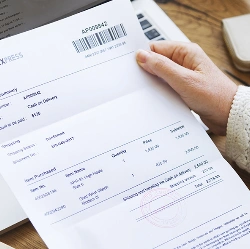
Packaging can be physically perfect and still get slowed down by poor labelling. A shipment should be easy to identify, count, and route.
At minimum, each piece should clearly show:
- Consignee name and delivery suburb
- Contact phone number (receiver is ideal)
- Piece count marking (for example: 1 of 3, 2 of 3, 3 of 3)
- Any handling notes that are genuinely required (fragile, keep upright)
Remove or cover old labels. Mixed labels are a common cause of misroutes and terminal confusion.
Restricted Items: Packaging Alone Is Not Enough
Some shipments get rejected because the contents require declaration or special acceptance, not because the carton is weak. Common problem items include:
- Lithium batteries (loose, packed with equipment, or installed in equipment)
- Aerosols (personal care products, sprays)
- Flammable liquids (some paints, solvents, fuels)
- Chemicals, cleaning agents, laboratory consumables
- Perfumes and alcohol-based products
If these are present, correct description and compliance steps matter. Undeclared restricted contents can lead to immediate refusal or later holds after screening.
Quick Self-Check Before You Send It
If you want your Air Freight Sydney to Perth shipment accepted cleanly at lodgement, run this quick check:
- Strength: carton feels rigid, no damage, no soft corners
- Seal: top and bottom seams fully sealed, heavy cartons reinforced
- Movement: contents do not shift when the carton is gently shaken
- Shape: no bulging sides, no loose wrap, no protruding edges
- Labels: correct consignee details, piece count, old labels removed
- Compliance: restricted contents declared correctly if relevant
Passing these checks reduces holds, repacking, and the kind of delay that turns “urgent” into “late.”
Commercial Reality: Packing Decisions Affect Cost
Packing affects more than damage risk. It also affects chargeable weight. Oversized cartons and tall pallets can inflate volumetric weight and increase costs. The goal is balance: packaging that protects the freight without wasting volume.
If you’re quoting, always measure the final packed dimensions, not the product dimensions. That single habit reduces remeasure adjustments and keeps pricing closer to expectation.
Bottom Line
Most lodgement rejections come from predictable issues: weak cartons, poor sealing, unstable pallets, mixed labels, and undeclared restricted contents. If you pack for handling reality—stacking, vibration, screening, and transfers—Air Freight Sydney to Perth becomes faster, cleaner, and far less stressful.