The Three Big Cost Levers Most Quotes Are Built On
1) Service Level (Express, Priority, Standard)
Service level is often the first pricing step. Express and priority options are priced higher because they generally aim for faster terminal handling and stronger uplift priority when space tightens. Standard services can still move quickly, but they’re more exposed to rollover risk during peak periods.
If your deadline is soft, standard can be good value. If missing delivery by a day breaks the job, the premium tier often becomes cheaper than the consequences of failure.
2) Chargeable Weight (Actual vs Volumetric)
Many Sydney-to-Perth invoices are driven by carton size rather than scale weight. Providers bill on chargeable weight, which compares actual weight to volumetric weight and charges whichever is higher. This is why a light but bulky carton can cost more than a smaller, heavier carton.
The easiest way to reduce cost surprises is to measure the final packed dimensions accurately before quoting.
3) Pickup and Delivery Scope
Airport-to-airport is not the same as door-to-door. Quotes often change depending on whether you need pickup in Sydney, delivery in Perth, timed delivery, or special site access. These last-mile variables can add meaningful cost even when the air leg is straightforward.
Cost Drivers That Add Up Fast
Once the base rate is set, several practical factors can increase the final price.
Fuel Surcharges
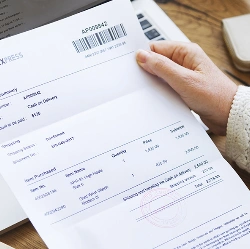
Fuel-related surcharges are commonly applied in air freight pricing models and can change over time. Many shippers don’t notice this until they compare quotes or see it itemised on an invoice.
Piece Count and Handling Complexity
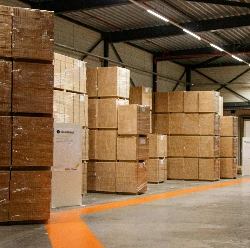
Ten small cartons can take more handling than one pallet. More pieces increase scanning, sorting, and delivery time. Piece count also increases risk of a missing piece if labels or piece numbering are poor.
Fragile, Non-Stackable, and Special Handling
Freight that cannot be stacked or needs careful handling can increase the “space cost” of the shipment. It may also require palletisation, extra packaging, or manual handling steps that increase charges.
Peak Period Capacity Pressure
During busy periods, uplift space becomes contested. Higher service levels usually receive priority, but pricing can still be affected by availability, flight schedules, and terminal congestion.
The Hidden Fees That Catch Shippers Out
Most cost blowouts come from fees triggered after the booking is made. These are the common ones to watch.
Reweigh and Remeasure Adjustments
If the freight is heavier or larger than booked, the chargeable weight increases and the invoice changes. This happens a lot when dimensions were estimated, or when extra packaging was added after quoting. Irregular shapes are measured at their widest points, which can inflate volumetric weight.
Waiting Time at Pickup
If the driver arrives and the freight isn’t ready—still being packed, not labelled, not accessible—the pickup can incur waiting time charges or lead to a failed pickup that pushes the shipment into the next-day cycle.
Failed Delivery and Redelivery Fees
Deliveries fail more often than people admit. Wrong receiver phone number, nobody onsite, access restrictions, or appointment-only docks can cause failed delivery and trigger redelivery charges.
Storage Fees
When freight sits at a depot or terminal due to delivery failure, receiver delay, or paperwork issues, storage can begin to accumulate. This is especially common when receivers aren’t ready for pallet freight or need site approval before accepting.
Special Access and Site Constraints
Sites with strict access rules, limited receiving windows, or dock booking requirements can increase delivery cost. If the booking doesn’t include these constraints, the provider may need to re-quote or apply additional charges.
Repacking or Rework Fees
Packaging failures can create direct cost. Weak cartons, unstable pallets, or leaking goods can require repacking before the shipment is accepted. That rework typically costs money and time.
Restricted Items and Compliance Handling
Batteries, aerosols, chemicals, and other restricted contents can introduce additional acceptance steps. If these are undeclared, the shipment can be held and reprocessed, which often triggers extra fees and missed uplift.
How to Avoid Cost Blowouts Without Overthinking It
You don’t need complicated pricing models. You need clean inputs and realistic delivery planning.
- Measure properly: quote using final packed dimensions and accurate weights per piece.
- Right-size packaging: protect the freight without oversized cartons that inflate volumetric weight.
- Declare contents clearly: especially batteries, aerosols, liquids, chemicals, and pressurised items.
- Plan delivery reality in Perth: confirm receiver hours, dock booking, access rules, and contact numbers.
- Choose service level based on risk: pay for speed when a rollover breaks the job, not out of habit.
Most “hidden fees” are triggered by missing details, not by unavoidable surprises.
Commercial Checklist: What to Send When Asking for a Quote
If you want a quote that matches the final invoice for Air Freight Sydney to Perth, provide:
- Pickup suburb and delivery suburb
- Pickup and delivery address constraints (dock booking, access rules)
- Piece count
- Weight and dimensions per piece
- Whether it is stackable or fragile
- Whether it will be palletised (pallet footprint and height)
- Contents description in plain language
- Deadline and any timed delivery requirement
Good inputs reduce reweigh adjustments, reduce delivery failures, and keep the quote closer to reality.
Bottom Line
Air freight costs on the Sydney to Perth lane are shaped by service level, chargeable weight, and last-mile complexity. The fees that hurt most—remeasure, storage, redelivery, repacking, and compliance handling—are usually triggered by preventable gaps. Measure accurately, pack smart, declare contents clearly, and align delivery with receiver reality, and Air Freight Sydney to Perth becomes far more predictable on both timing and price.